


Human translation is when a real person translates your content from one language to another. It’s your best choice when you need accurate, clear translations that authorities accept and understand.
Table of Contents
ToggleToday, professional translators matter more than ever. Businesses need them to connect with customers in different countries. Legal papers need them to stay valid and correct.
This guide explains what is human translation, why it matters, how it beats machine translation, and when you should choose professional translation services over automated tools.
Key Highlights
- Human translations use skilled people who understand context, culture, and meaning.
- Professional human translations catch mistakes that machine translations miss.
- Culturally sensitive words and local expressions need human knowledge to work properly.
- Machine translations retain translation memory and help you to understand basic content, but they’re not good enough for professional work.
- Using both human skills and technology together can give you high-quality results.
What Is Human Translation and Why Is It Important?
Human translators keep the same meaning, feeling, and cultural sensitivity that your content in the original language has. Here’s why it is important:
More Than Just Changing Word for Word
Human translators do much more than swap single words between languages. They use their linguistic expertise and cultural knowledge to make translations sound natural. It help to capture the spirit and true meaning. A professional human translator understands local sayings, jokes, and cultural differences that matter.
For example, IKEA named a workbench “Fartfull” in Swedish, where it means “speedy” or “full of speed”, a positive quality. In English-speaking markets, this became the source of giggles and jokes because “fart” has a very different, bathroom-humor meaning.
Human translators help in avoiding such issues.
Certified Translation Standards
NAATI certified translators in Australia pass tough tests to prove their skills. They can easily handle important documents. It includes birth certificates, school records, and legal papers. You can trust that their work is accurate and accepted by official bodies.
What Is Human Translation Machine?
Human translators follow these steps:
- They change your multilingual content while thinking about contextual understanding.
- Translators check the work for mistakes and readability
- The process involve a professional editor to proofread and do final quality assurance
- It catches errors that the quick machine translations miss.
What Are the Benefits of Human Translation?
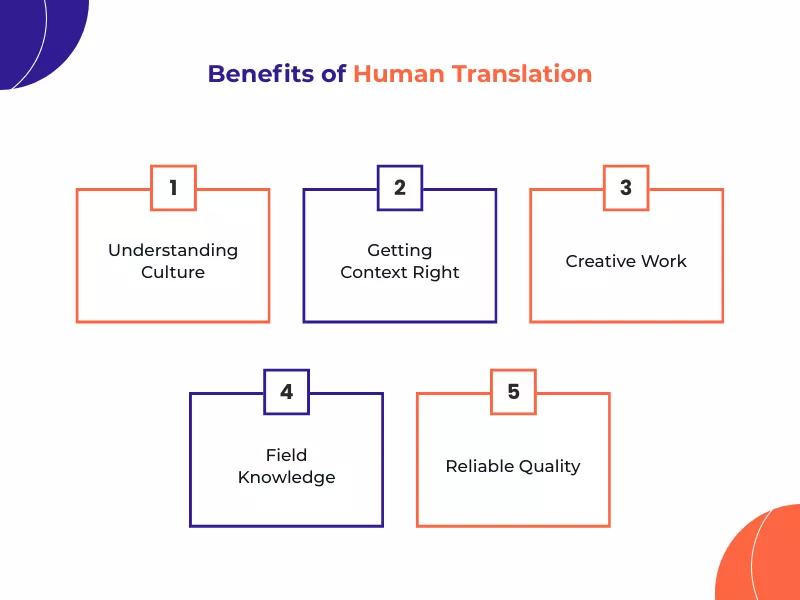
Here are some benefits of human translations:
Understanding Culture
Professional human translation services Australia pick up cultural details. Such details machine translation engines completely miss. A native speaker knows what works in their culture and what doesn’t. They understand local customs, sensitive topics, idiomatic expressions, and how people really talk. Marketing campaigns need this cultural knowledge, as well as understanding what is transliteration. What works great in one country might fail in another.
Getting Context Right
Humans know that the same word can mean different things based on how you use it. They understand the tone and style needs. Legal writing needs formal language. Blog posts can be casual and friendly.
Creative Work
When you need translation vs transcreation, human skills are important. Transcreation means recreating the feeling and persuasive power of content. It is not just about changing words.
Field Knowledge
Many translators work in specific areas like medical, technical, or legal documents. This subject matter expertise means they know the right terms to use. They preserve the accuracy and quality of the source document. That is why work reference translations are best done by human translators.
Reliable Quality
Human translation services keep your message consistent across big projects.
Human translation services keep your message consistent across big projects. Translators use word lists. They use style rules to make your document
However, people ask questions like What Is Machine Translation? Machine translation cannot win over human translations due to its unique features.
What Are the Benefits of Human Translation Over Machine Translation?
Here is the difference between machine translation and human translation:
| Aspect | Human Translation | Machine Translation |
| Accuracy | Quality of human translation is accurate with proper context | Do not understand the context and meaning |
| Cultural Fit | Adapts local saying and cultural ideas | Automatically translates text, misses culture |
| Tone | Human translator keeps your brand voice | Can’t match the tone and style well |
| Complex Content | Human translator handles technical, legal field, and creative work | Poor results on specialised content |
| Quality Checks | Multiple reviews ensure quality | No checking or editing |
| Cost | Costs more for professional work | Free or very cheap |
| Speed | Human translator takes time based on project size to translate in target language | Instant results |
| Customisation | Made for your industry-specific needs | Same basic approach everywhere |
| Privacy | Secure handling of private documents | May have a privacy risk online |
| Official Use | Provides certified translations | Can’t give official certification |
Machine Translation vs Human Translation: Which One Is Better?
There are various types of translation. It depends on what you need.
Machine translation works great when you:
- Need something fast
- Want to save money
- Have lots of content to translate
- Just need to understand the basic meaning
Google Translate and similar tools have gotten much better. They handle simple, everyday language.
Human translation wins when you:
- Need perfect accuracy
- Want the right tone and style
- Deal with jokes, idioms, or cultural references
- Translate important documents like contracts or marketing campaigns
Humans catch things machines miss. They understand the correct format. They know when a word has multiple meanings and pick the right one.
Get Guaranteed Quality with Our Human Translators
There is a need for language translations. Here are some points about guaranteed quality with human translators:
- Highly skilled experts handle your work:
- We catch the precise message that machines miss
- Every project gets reviewed twice
- We match you with specialists.
- Your meaning stays intact
- No awkward phrases
- We guarantee accuracy
Conclusion
Choosing between machine translation and human translation depends on what you need. Think about who needs it. Check how important the accuracy is. Assess what will happen if there are mistakes. Artificial intelligence is improving, but it cannot take the place of professional translators. A human translation work is the best translation.
Frequently Asked Questions (FAQs)
What are the examples of human translation?
The examples of human translation are ad campaigns, contracts etc,. Such documents need a proper format and accurate translations.
What is the difference between human translation and AI?
Skilled people who know about multilingual culture, context, etc. do human translation. Artificial intelligence translates texts using computer programs that change words based on patterns.
What is the difference between a translator and an interpreter?
A translator works with original text and has time to research the cultural nuance and edit during the translation process. An interpreter works with spoken language in real-time for the target audience.
Can machine translations replace human translators?
No, machine translations help with basic understanding and quick translations. They make errors with specialised terms. They can’t adapt the tone for a different audience.

- What Is Human Translation: Top Reasons It Beats Machine Translation - February 10, 2026
- Patent Translation: A Guide to Accurate Legal-Technical Documentation - January 29, 2026
- 60 Interesting Facts about Australia Nobody Knew - November 29, 2025