


Understanding when you need a notarized translation versus a certified translation can save you from document rejections, expensive resubmissions, and processing delays. This guide covers everything you need to know about the translation process, including when they are required, how to obtain them, and the exact difference between certification and notarization.
Table of Contents
ToggleWhat Is a Notarized Translation?
A notarized translation is a translated document that is authenticated by a notary public. This process involves two main steps: first, a professional translation service provider translates your document from the source language to the target language. Then an authorised legal officer verifies the translator’s identity and witnesses the translator by signing a declaration confirming that the translation is accurate.
The notary public does not check the quality of the translations; instead, they confirm that the person signing the certification statement is a translator and that they are swearing to the accuracy of their work under oath. This adds legal weight to the document, making it acceptable for various vital purposes.
Key Components of a Notarized Translation
Every notarized translation includes:
- The completely translated document
- The translator’s signed certificate statement
- The notary public’s official seal and signature
- The certificate confirming the authentication process
- The date and location of notarization
Understanding Certified Translation
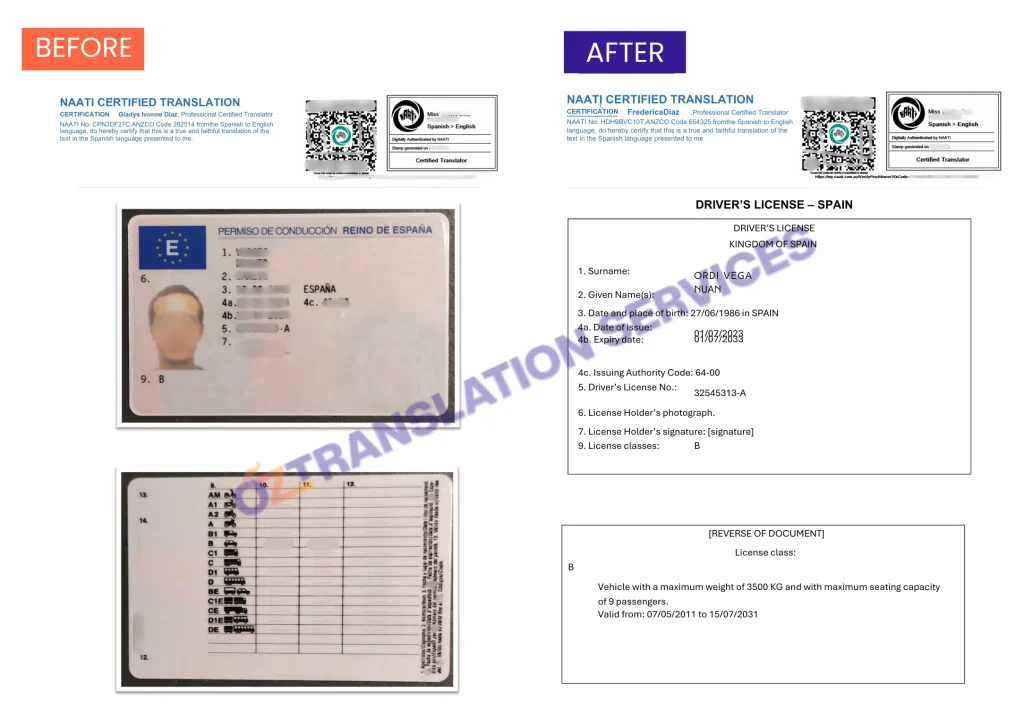
A certified translation is different from notarization, as it focuses on the translator’s qualifications and their attestation of accuracy. When you receive a certified translation, the translator provides a signed statement certifying that the translation is complete and accurate to the best of their knowledge.
Certified translations is one that is done by NAATI Translators in Australia, who are recognised by the National Accreditation Authority for Translators and Interpreters. These professionals have undergone strict testing and meet all the quality standards recognised by Australian government departments and institutions. In Australia, you require translations by a certified translator for all official purposes of a foreign language document.
What Makes a Translation Certified?
A certified translation must include:
- A complete and accurate translation of the original document
- A certificate statement signed by the translators
- The translator’s credentials
- A declaration that the translation is true.
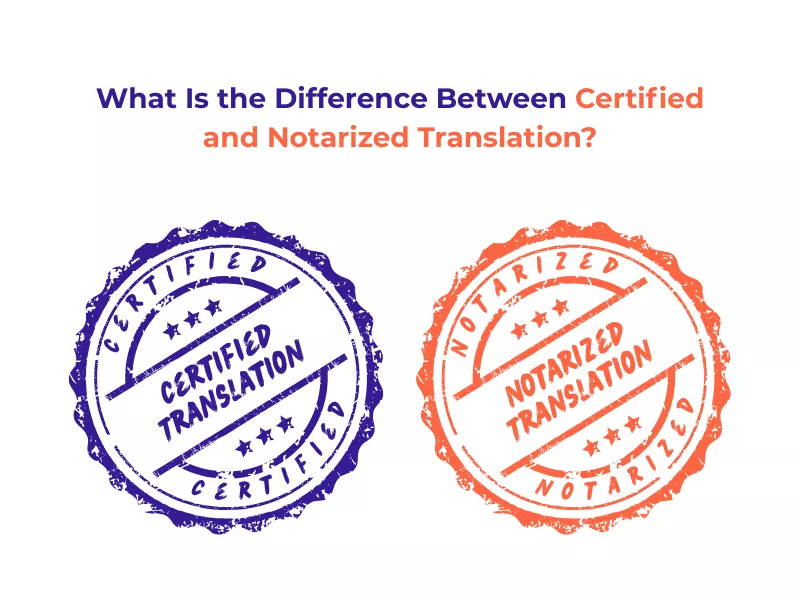
What Is the Difference Between Certified and Notarized Translation?
| Certified Translation | Notarized Translation |
| Performed by qualified translators with appropriate credentials | Builds upon a certified translation by adding notarial authentication |
| Translator certifies the accuracy and completeness of their work | Notary public verifies the translator’s identity only |
| Generally accepted within the issuing country | Required for international use and foreign legal proceedings |
| Faster and Cheaper | Involves additional steps and costs | Required by most government departments | Provide a higher level of legal validity for overseas authorities |
What Documents Commonly Need Notarization for Australian Visas?

To know if document translation is required or if you need a notarized translation, you must check where you will be submitting your document and what that authority requires.
Documents that require notarized English translation:
International Court Proceedings:
When submitting evidence, affidavits, or court documents to foreign courts, notarised translations of the documents are mandatory. These documents need to be notarized for acceptance in legal proceedings.
Foreign Immigration Applications:
Many countries require notarized translations of personal and immigration documents, like birth certificates, marriage certificates, passports, and police clearances, when applying for visas or residency. The United States Citizenship and Immigration Services (USCIS) may accept certified translations, but it often prefers notarized versions of documents. Similarly, in Australia, the Department of Home Affairs accepts NAATI-certified translations for visa applications. These certified translations are also important for applying foran Australian Work Visa.
International Business Transaction:
Documents like contracts and financial statements used in international business dealings require notarization to be legally binding across borders.
Academic Documents for Foreign Universities:
Universities require notarized translations of their academic documents, such as transcripts and academic records, to be considered authentic. The best translation agency can assist you with notarised translations.
Why Notarized Translations Are Important?
There are common scenarios where notarized translations are important, which include:
- Maintaining Legal Validity: The notary’s seal serves as a guarantee of authenticity, recognised worldwide by the legal system. This proves the accuracy of the translation.
- Fraud Prevention: By verifying translators’ identities and witnessing their signatures on the document, notaries help prevent fraudulent transactions involving immigration or educational documents and protect against document manipulation.
- International Recognition: Different countries have different translation requirements, but notarized translations are universally understood and accepted.
How to Notarize Document Translations?
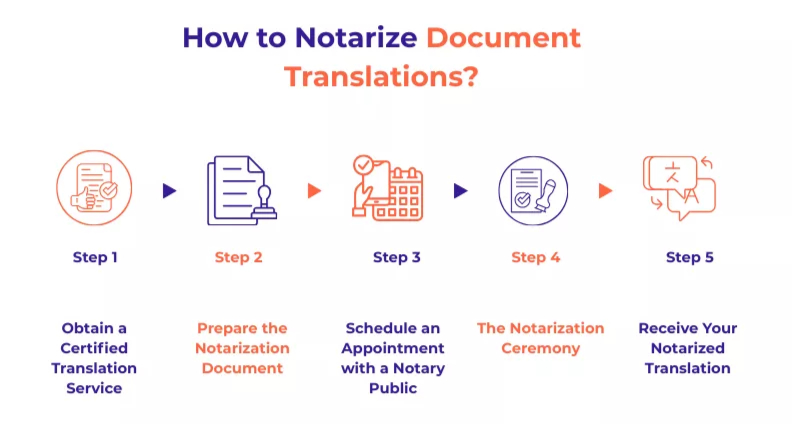
The notarization process follows a sequence of steps to ensure proper authentication:
Step 1: Obtain a Certified Translation Service
First, find the best document translation services provider that has translators who are certified by NAATI to translate your document accurately. The translator will then prepare the official translation and include their certification statement.
Step 2: Prepare the Notarization Document
If you require certified translation and notarized translation, collect the following materials:
- The original document in the source language
- The certified translation
- The translator’s certification statement
- Valid identification for the translator
Step 3: Schedule an Appointment with a Notary Public
The translator must appear before the notary public in person to get verified.
Step 4: The Notarization Ceremony
During the appointment, the translator will:
- Give valid identification to the notary
- Review the certification statement
- Swear an oath and affirm that the translation is accurate
- Sign the certification statement in the notary’s presence
Step 5: Receive Your Notarized Translation
Once complete, the certified document will be given to you and will be ready for submission to foreign authorities.
Country-Specific Requirement to Notarize a Document
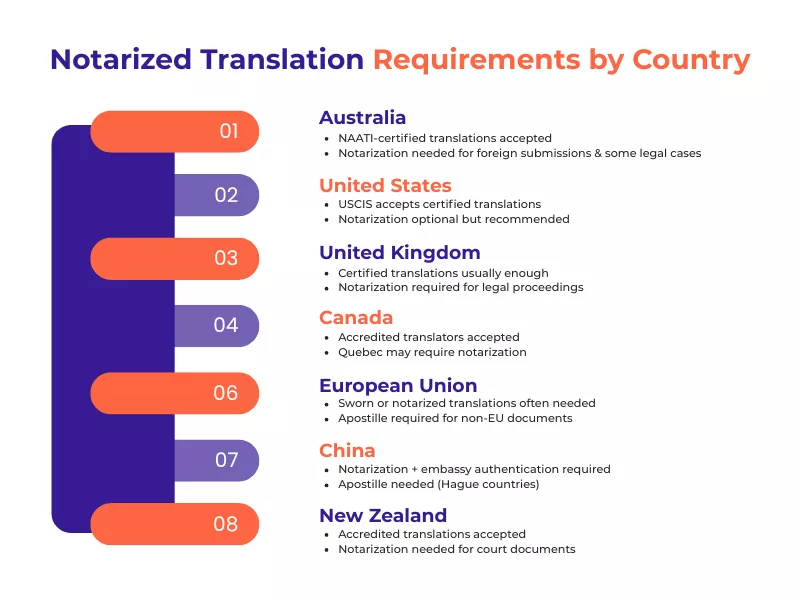
You need to provide certified notarized translations, depending on the specific requirements of the countries. Here’s what major destinations typically require:
Australia:
- Department of Home Affairs accepts translations certified by a NAATI translator.
- Notarization is needed when submitting Australian documents to foreign authorities.
- Courts and legal proceedings may require notarized translations depending on the case type.
- Universities and educational institutions accept NAATI certifications.
- NAATI is the nationally recognised accreditation standard.
United States:
- USCIS accepts certified translations with the translator’s certification statement.
- Notarization is not mandatory but highly recommended.
- Translation must include the translator’s contact information and qualifications.
United Kingdom:
- Certified translations are usually sufficient.
- Notarization required for legal proceedings.
- Some documents need Foreign and Commonwealth Office legalisation.
Canada:
- Accepts certified translations from accredited translators.
- Notarization may be required for Quebec submissions.
- Some provinces have specific translator association requirements.
European Union Countries:
- Most require sworn translations or notarized translations.
- An apostille is typically mandatory for non-EU documents.
- Each country may have specific translator certification requirements.
China:
- Requires notarization plus Chinese embassy authentication.
- Documents must be apostilled (if from a Hague Convention country).
- Both the original and the translation need authentication.
New Zealand:
- Similar to Australia, it accepts accredited translator certifications.
- Notarization required for court documents.
- Cross-recognition with the Australian NAATI, in some cases.
How to Choose the Right Notarized Translator?

When selecting certified translation services, you must consider these factors:
- Accreditation: Ensure translators hold appropriate credentials, such as NAATI accreditation in Australia, to ensure translation accuracy.
- Experience with Notarization: Choose the providers who are familiar with the notarization process and who can coordinate appointments with a notary public.
- Turnaround Time: Notarized translations take longer than standard certified translations due to additional authentication steps.
- Comprehensive Services: Look for a translation company that can handle the entire process, including certification, notarization, apostille, and legalisation.
Quality Assurance: Professional translation services should ensure that the translation accurately reflects the content and employ qualified linguists with expertise in your document’s subject matter.
Conclusion
You should know the difference between certified and notarized translations, as it is essential when dealing with international documents. Whether you need a simple certified translation for an Australian visa application, a marriage license, or a fully notarized and apostilled translation for foreign court proceedings or official documents, you must look for professional translation services as they can handle it all for you.
Frequently Asked Questions (FAQs)
What's the point of sworn translations?
What is a notarized affidavit translation?
Can I translate a document and get it verified?
Can a translator translate bank statements?
Do all documents that require translation also need to be notarized?
How does a notary ensure the translation is accurate and complete if they don't review the content?
What type of translation should I choose if I need to submit documents internationally?
Can I get a translation notarized after it has already been certified?
When is a notarized translation required instead of NAATI certification?
How to apostille a notarized translation for international use?

- What Is Transliteration and Its Importance in Global Communication - March 17, 2026
- Types of Australian Work Visa and How to Get Them in 2026 - February 18, 2026
- Notarized Translation Guide: Certified Vs Notarized Explained - December 12, 2025